
Gestalt Therapy Workshop
A 2-Day Experiential Journey into Awareness & Wholeness
Format
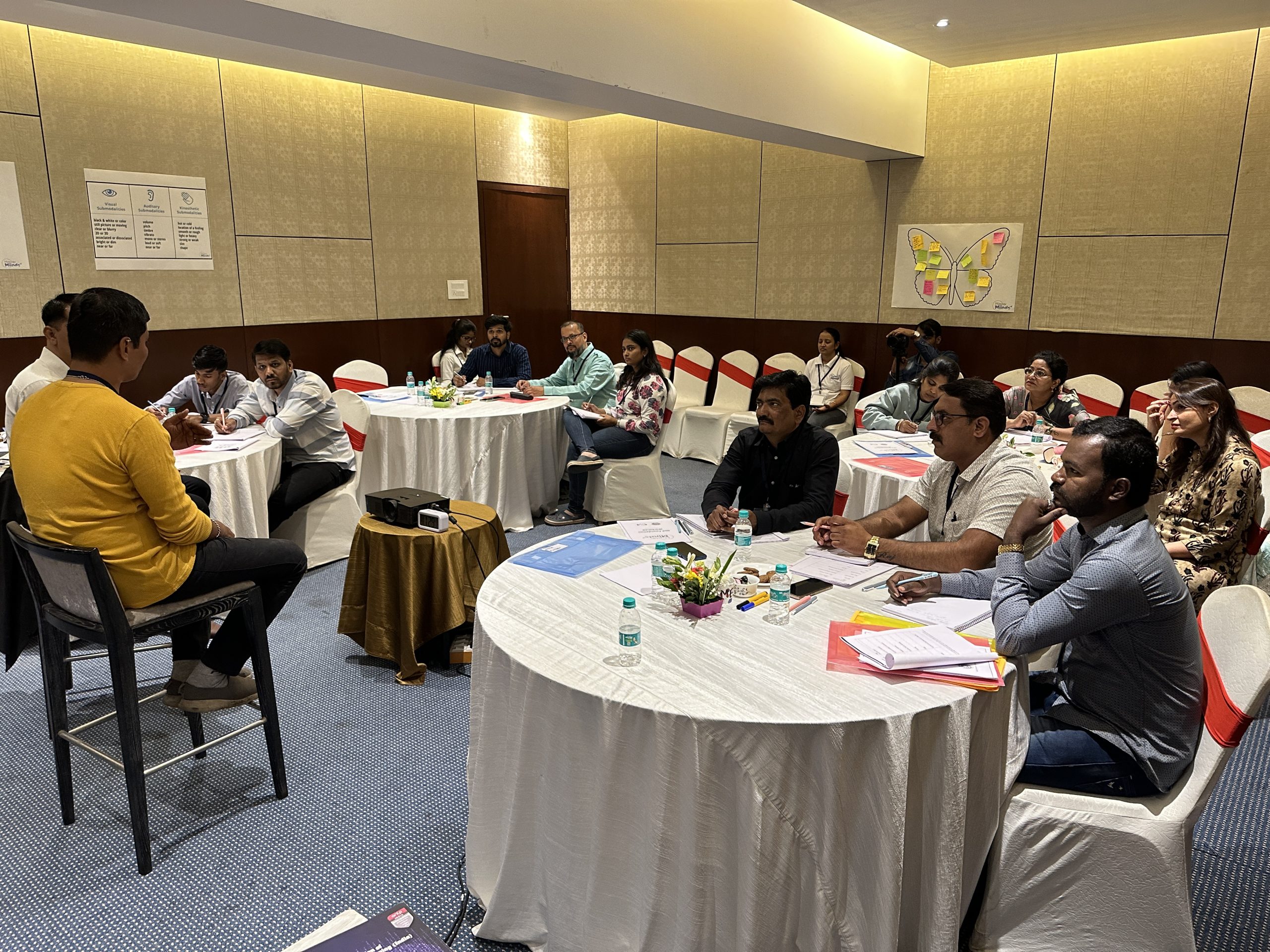
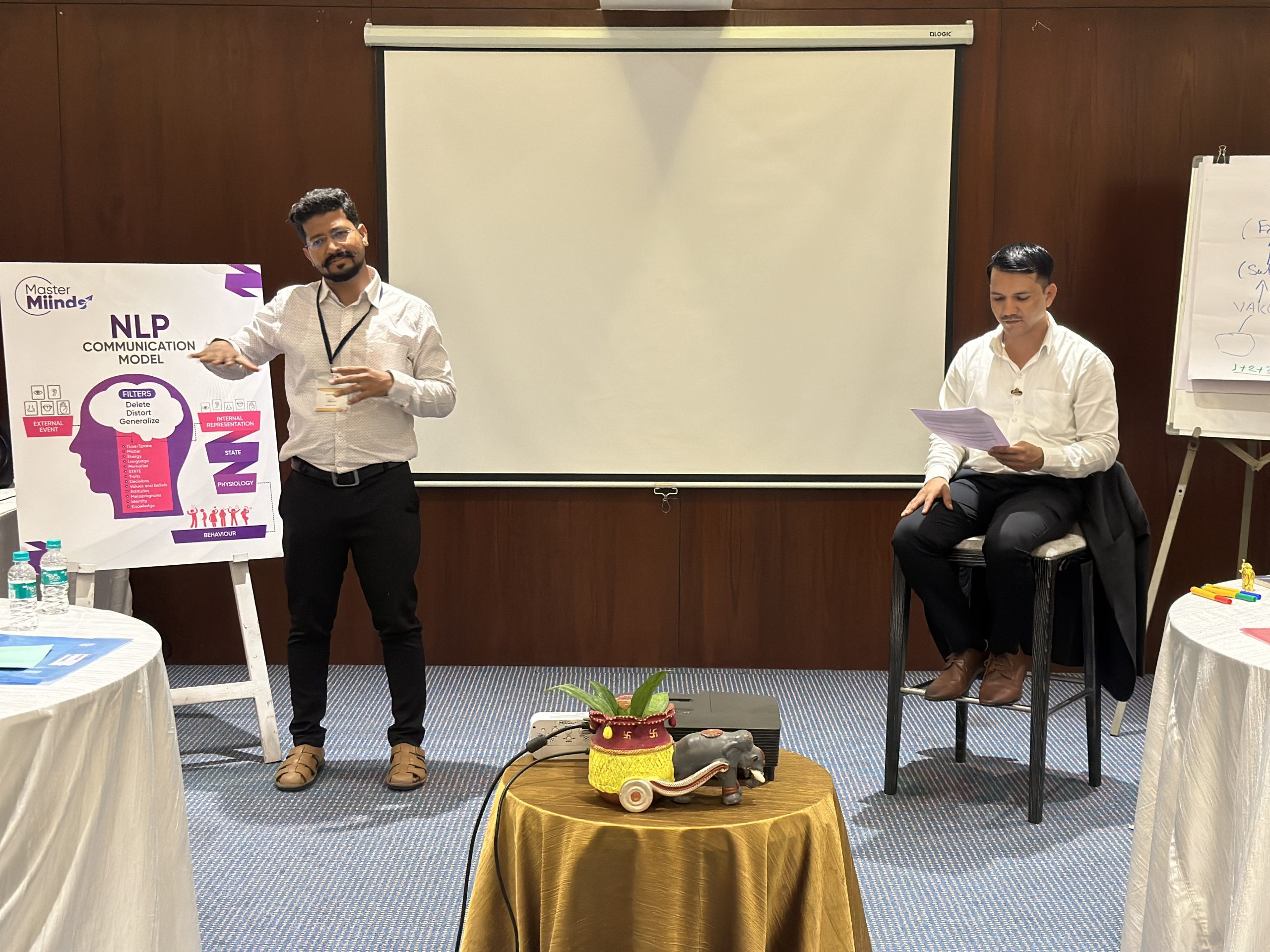
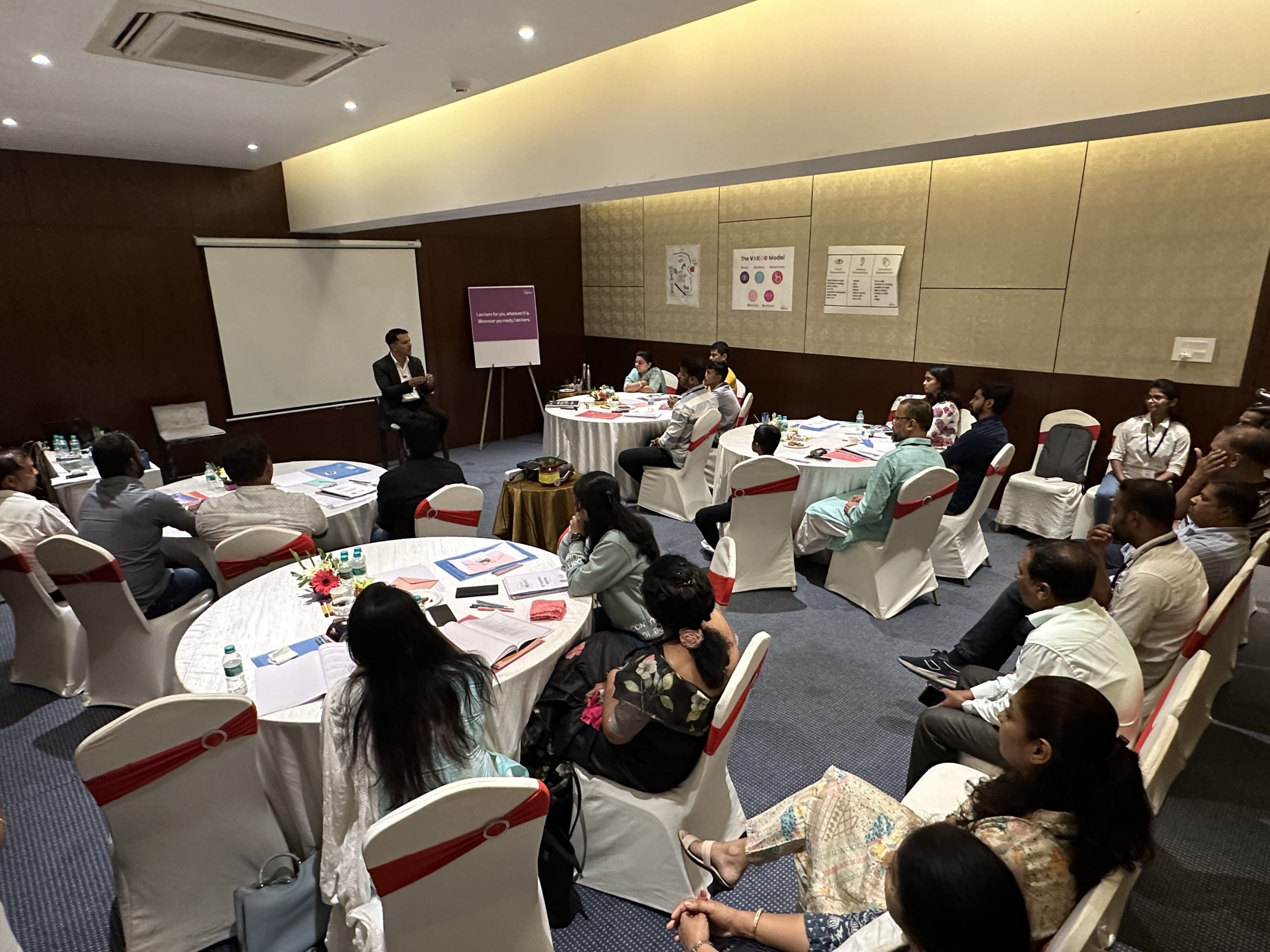
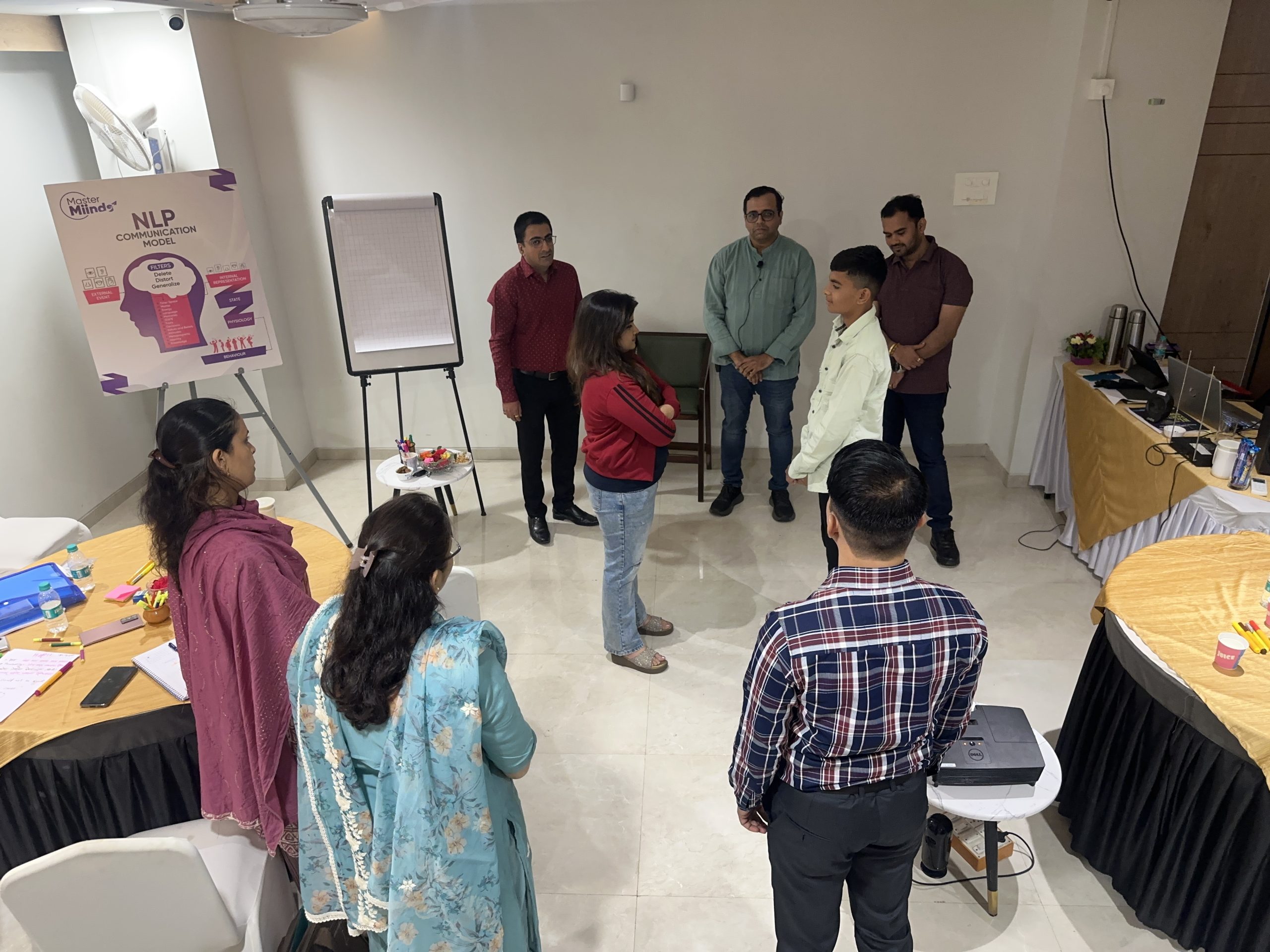
Experiential · Live demos · Practice
Awareness changes everything.
WHAT IS Gestalt ?
Gestalt is a German word meaning “whole” or “form.” It is both a philosophy and a therapeutic approach that views a person as more than the sum of their parts.
You are not just: • A body • A set of thoughts • A collection of emotions • A bundle of memories or habits
When all of these come together, you become a living, breathing whole — YOU. Gestalt helps us:
• Recognize patterns in how we live and relate • Bring awareness to what is happening right now • Resolve unfinished emotional experiences • Integrate mind, body, and emotions into one coherent whole
What Is Gestalt Therapy?
Gestalt Therapy is a humanistic, experiential approach to psychotherapy developed in the 1940s by Fritz Perls, Laura Perls, and Paul Goodman.
Life often pulls us: • Into the past — regrets, guilt, unresolved pain • Into the future — worries, fears, “what ifs”
Gestalt gently brings you back to the present moment — the only place where awareness, healing, and choice are possible. Through awareness, you begin to:
• Notice your emotional and bodily signals • Understand your habitual patterns • Take responsibility for your choices • Respond consciously instead of reacting automatically
Program Includes
- Understand wholeness, awareness, responsibility, and here-and-now living
- Develop deep present-moment awareness with self and others
- Integrate emotions, body sensations, and shadow aspects
- Practice chair work, dialogue, and awareness exercises
- Strengthen empathy, boundaries, and authentic communication
- Resolve internal and external conflicts with clarity and compassion
- Enhance creativity and problem-solving by recognizing patterns
- Facilitate growth using awareness-based interventions
How This Workshop Is Different
Experiential, not theoretical
Safe, respectful, non-judgmental space
Deep yet gentle processes
Body-based and emotion-focused awareness
Practical tools for daily life and professional practice
Our Gallery





WHO SHOULD ATTEND?
No prior experience in therapy or psychology is required.
Awareness in itself is healing
- Fritz Perls
Why Gestalt Therapy?
Notice emotional and bodily signals
Understand habitual patterns
Take responsibility for choices
Respond consciously instead of reacting automatically